Preloader

Defence Forces

Case Study Information

Overview

The Armed Forces operate in a uniquely complex defence environment, requiring continuous readiness across land, air, and maritime domains. From border protection and special-forces missions to counter-espionage activities and national emergency response, the Armed Forces manage a diverse portfolio of demanding operations.

Before the deployment of COMMAND, different units relied on fragmented communication systems, legacy radios, and non-interoperable tools. This resulted in delays, visibility gaps, and limited real-time coordination between command centers and field units.

To unify operational communication and strengthen mission coordination, multiple branches of the Hellenic Armed Forces deployed COMMAND Tactical and Agency platforms, creating a modern, secure command-and-control environment across the entire defence framework.


Challenge

Each unit of the Hellenic Defence Forces faced its own operational constraints:

Signal Division

  • Fragmented voice/data systems
  • Difficulty coordinating multiple battalions and mobile units
  • Limited integration between communication networks

Special Forces

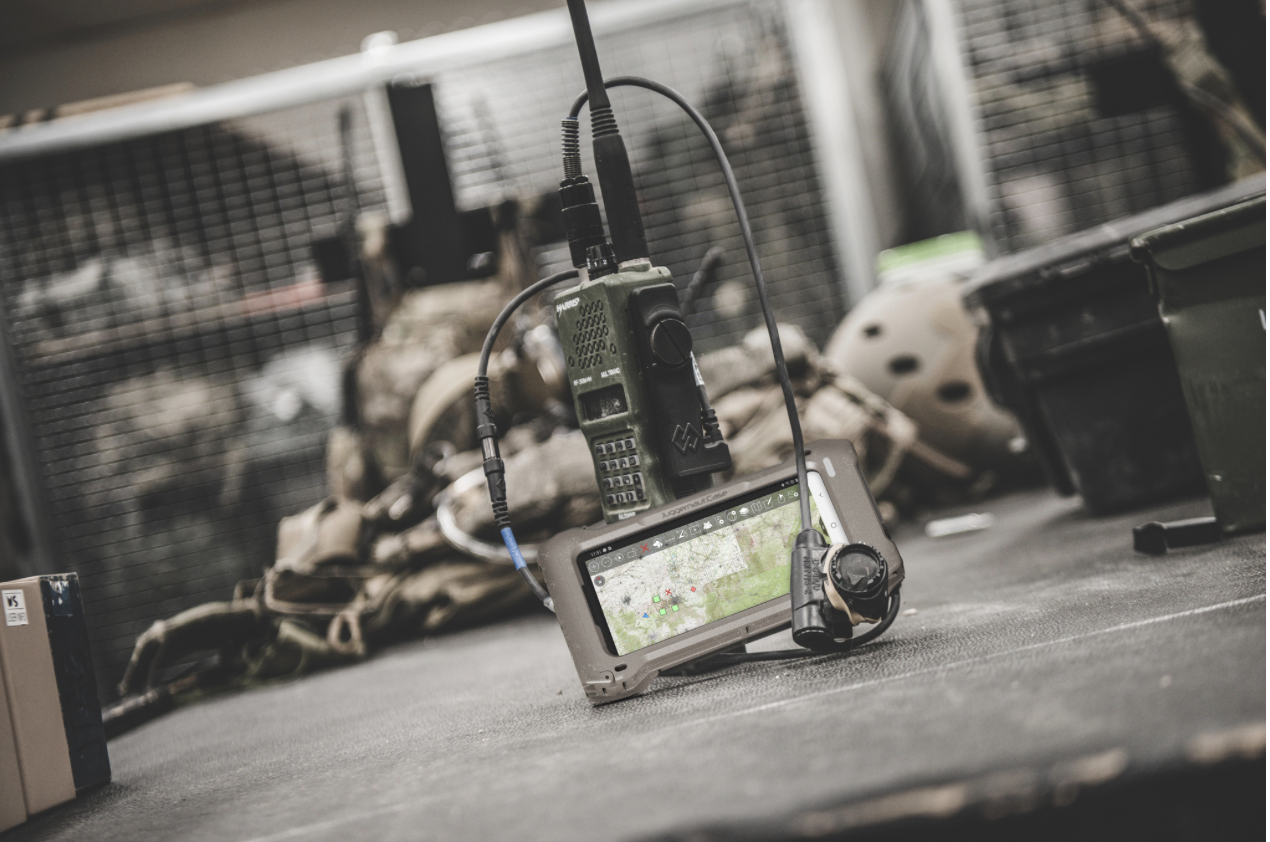
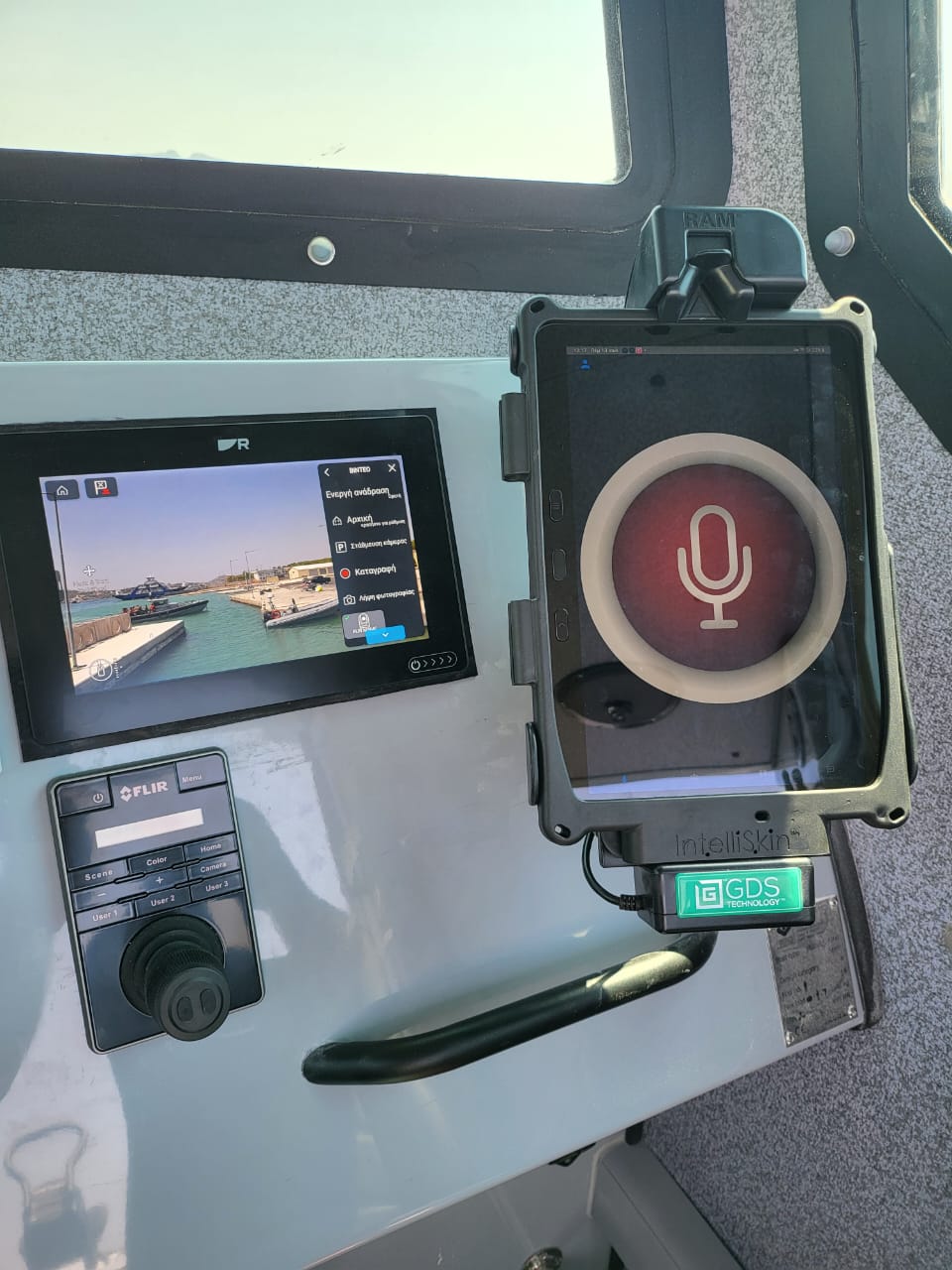
  • Need for a rugged, mobile C2 platform during land and maritime missions
  • Lack of real-time intelligence when operating in remote border areas
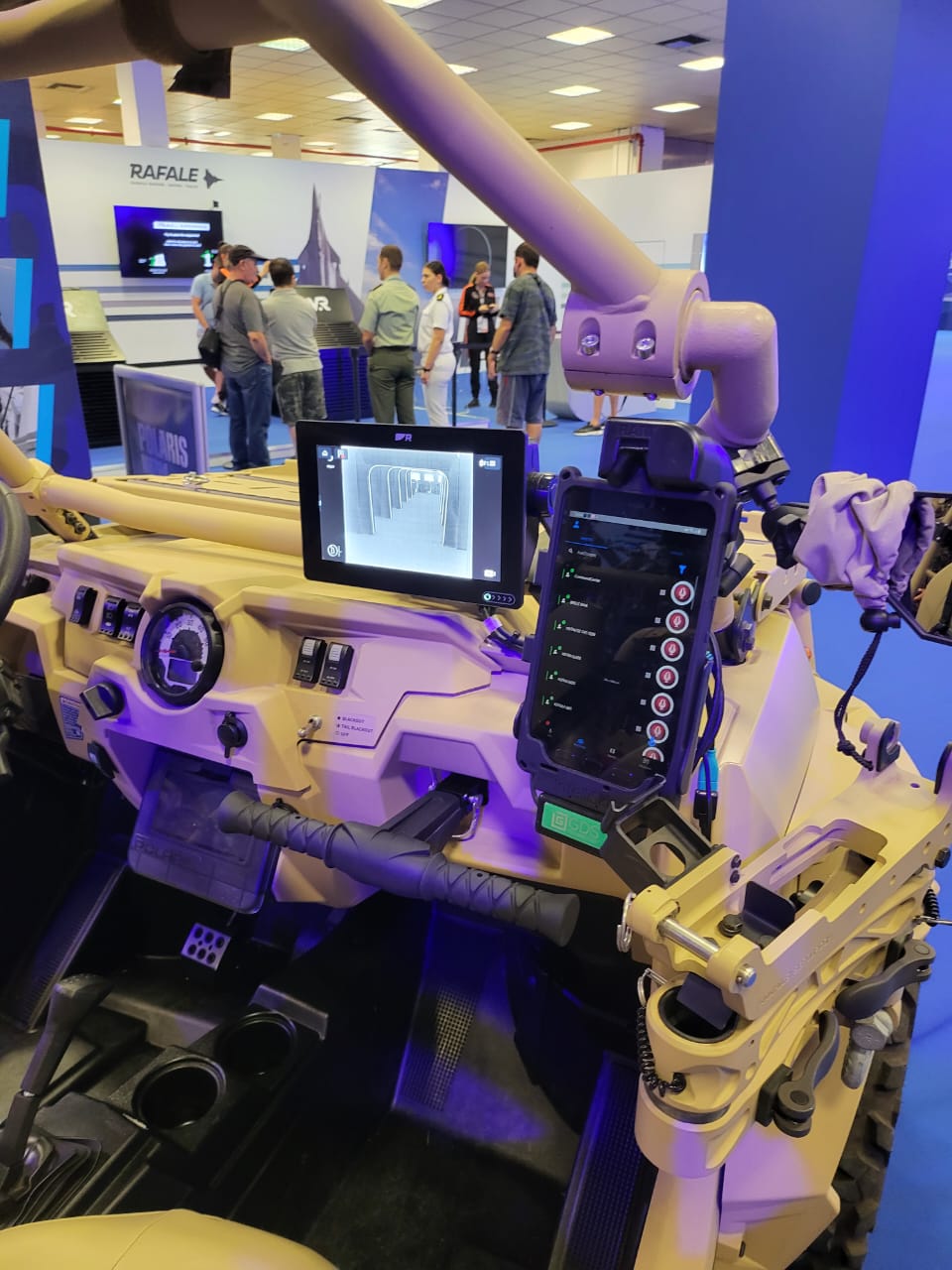
  • No unified way to coordinate teams on boats, ATVs, or foot patrols

Counter-Espionage Division

  • High exposure to interception using conventional tools
  • No encrypted, secure environment for sensitive exchanges
  • Need for a covert communication platform invisible to hostile surveillance

Defence Civil Protection & Disaster Response Units

  • No single operational picture across emergency teams
  • Limited situational awareness during floods, fires, or earthquakes
  • Slow information flow between field units and operations centers

Across all divisions, the Armed Forces needed one scalable, secure, real-time system capable of replacing legacy tools and connecting every mission profile—tactical, intelligence, and emergency.

Solution

The Armed Forces deployed COMMAND Tactical Edition, COMMAND Agency Edition, and specialized modules tailored to each unit’s mission requirements.

The combined solution provides:

  • Unified C2/C3/C4 communication
  • Encrypted voice, video, and messaging
  • Real-time situational awarenessof all units and assets
  • Mission-specific workflowsfor defence, intelligence, and emergency response
  • Multi-platform mobility(vehicles, vessels, ATVs, handheld devices, command centers)
  • On-premise sovereign infrastructurecontrolled by the military

1. Signal Division

2. Special Forces

3. Counter-Espionage Division

4. Defence Civil Protection – Emergency Response – Disaster Recovery

Operational Impact

Across All Divisions

Specific Results

Technology Integration

  • Tactical devices and ruggedized Samsung defence platforms
  • UAV and remote-camera integration
  • Satellite and 5G/4G/military network interoperability
  • Geo-intelligence and mission mapping tools
  • Digital evidence and field-reporting modules
  • Weather Logic and Flow Logic automation engine
  • On-premise military server infrastructure

Future Expansion

  • AI-enhanced targeting and risk-analysis modules
  • Integration with joint NATO/EU defence systems
  • Private tactical 5G networks for high-mobility units
  • Additional integrations for autonomous sensors and maritime surveillance
  • Expansion of Darkfon technologies across intelligence units

Conclusion

The deployment of COMMAND across the Armed Forces represents a decisive modernization step, delivering a unified, secure, and intelligent command-and-control environment.

By empowering Signal, Special Forces, Counter-Espionage, and Civil Protection units with real-time coordination and advanced situational awareness, COMMAND enhances the Armed Forces’ ability to respond swiftly, operate safely, and maintain strategic advantage across all operation types—tactical, intelligence, and emergency.